 Professional Hardware
NUCLEUS®
The professional hardware platform of the NUCLEUS NeuroSync System, designed for non-invasive physiological biofeedback, multi-channel operation, and stable practitioner workflows.
Explore NUCLEUS® →
QM develops the NUCLEUS NeuroSync System: a professional-use, non-invasive physiological biofeedback platform combining precision hardware, structured software workflows, EEG / ECG / GSR monitoring, and visual feedback for wellness-oriented practitioner environments.
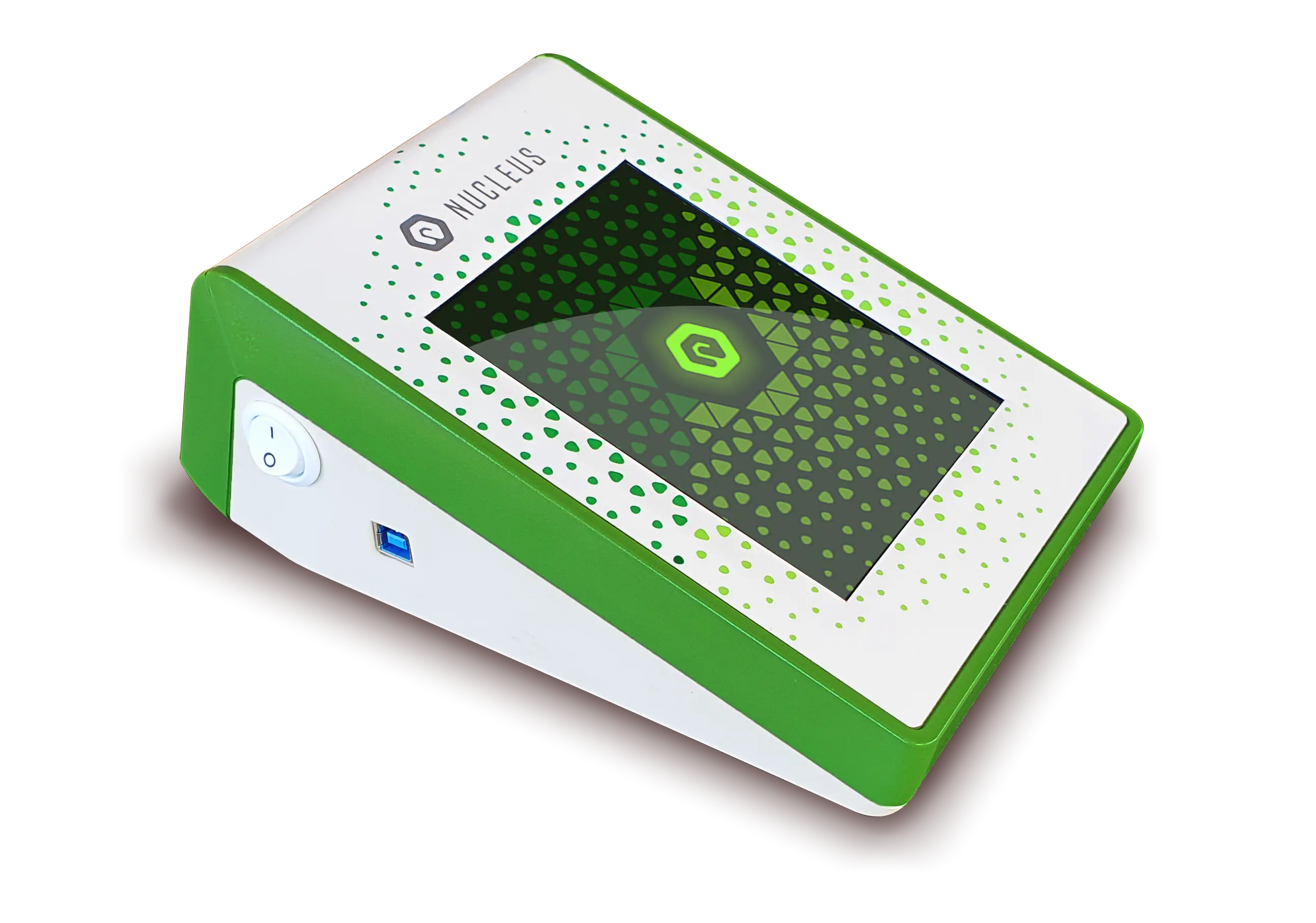

QM Technologies develops professional physiological biofeedback systems around a structured platform approach: NUCLEUS® hardware, NeuroSync software, guided practitioner workflows, training resources, and international support.
The result is a calm, modern, software-controlled environment for practitioners and distributors who need a focused system for physiological monitoring, visual biofeedback, relaxation support, and structured session organization.
The NUCLEUS NeuroSync System is designed as an integrated professional platform: hardware, official software workflows, accessories, training, technical support, and structured practitioner tools for wellness-oriented environments.
Professional Hardware
The professional hardware platform of the NUCLEUS NeuroSync System, designed for non-invasive physiological biofeedback, multi-channel operation, and stable practitioner workflows.
Explore NUCLEUS® → Established Line
A legacy professional system line built on years of development experience, user education, and practical work with biofeedback professionals internationally.
Explore EDX → Official Software
The official software environment for structured sessions, physiological visualization, calibration interfaces, practitioner notes, visual feedback, and workflow organization.
Explore NeuroSync → Workflow Direction
Our development direction focuses on guided session organization, visual biofeedback interfaces, calibration support, practitioner notes, and professional workflow clarity.
Discover Workflows →NUCLEUS® with NeuroSync represents the official professional system direction of QM Technologies, while EDX remains an established product line built on years of professional use and training experience.
NUCLEUS®
Professional flagship hardware platform designed for the NUCLEUS NeuroSync System and structured physiological biofeedback environments.
EDX®
Established legacy system family built on years of practical practitioner experience and educational ecosystem support.
QM systems are designed around modern connectivity, structured signal architecture, and controlled software integration for professional biofeedback and physiological monitoring environments.
Designed to support non-invasive biofeedback workflows with stable hardware, multi-channel operation, and dedicated system integration for physiological monitoring.
USB 3 / USB 3.1 communication supports a faster and more reliable working environment compared with older-generation platforms.
NUCLEUS hardware and NeuroSync software are developed as one coherent professional system, from setup and calibration to session management and visual feedback.
NeuroSync combines session management, physiological visualization, calibration interfaces, practitioner notes, visual biofeedback environments, and workflow organization into one focused professional software platform.
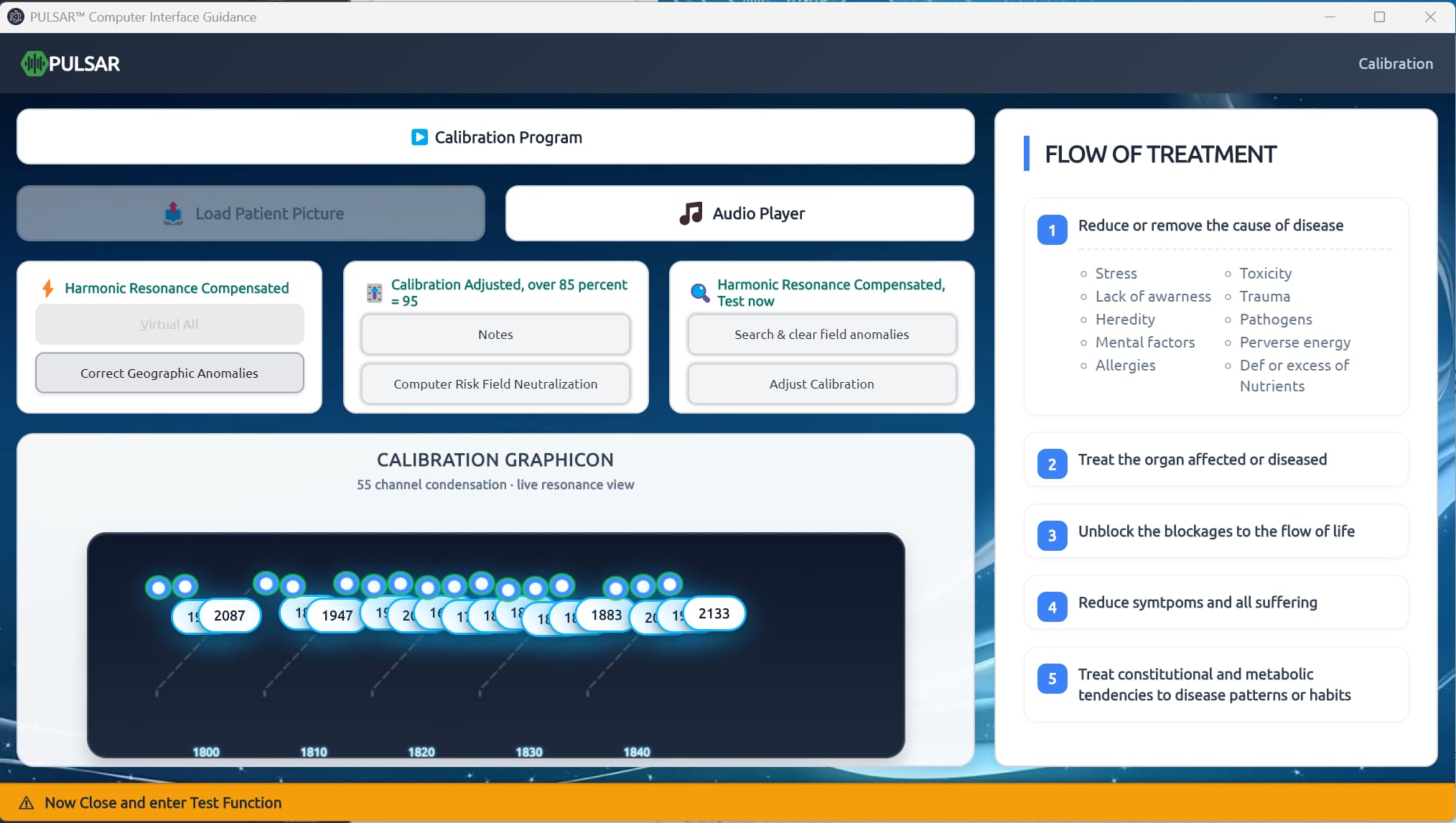
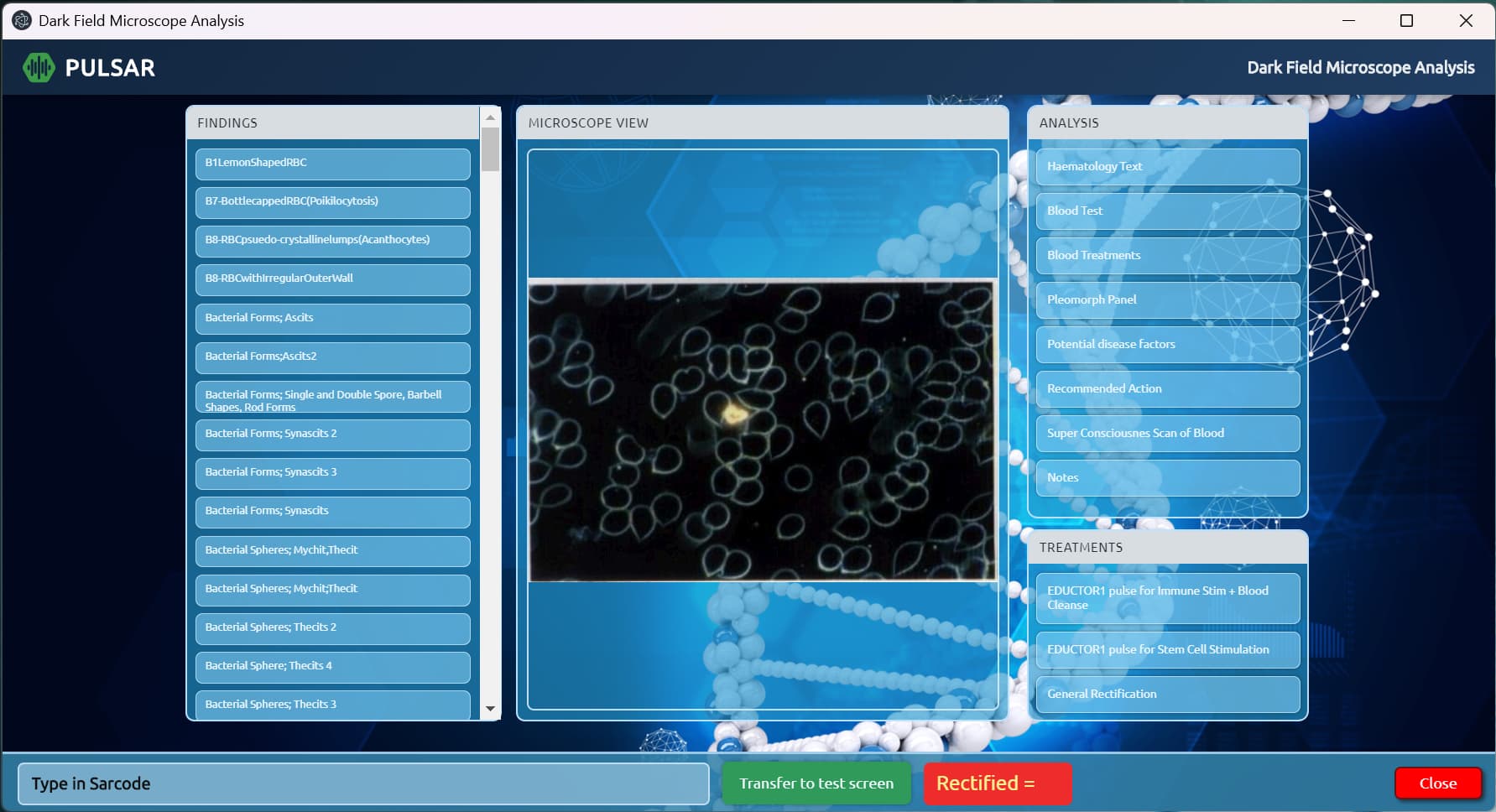
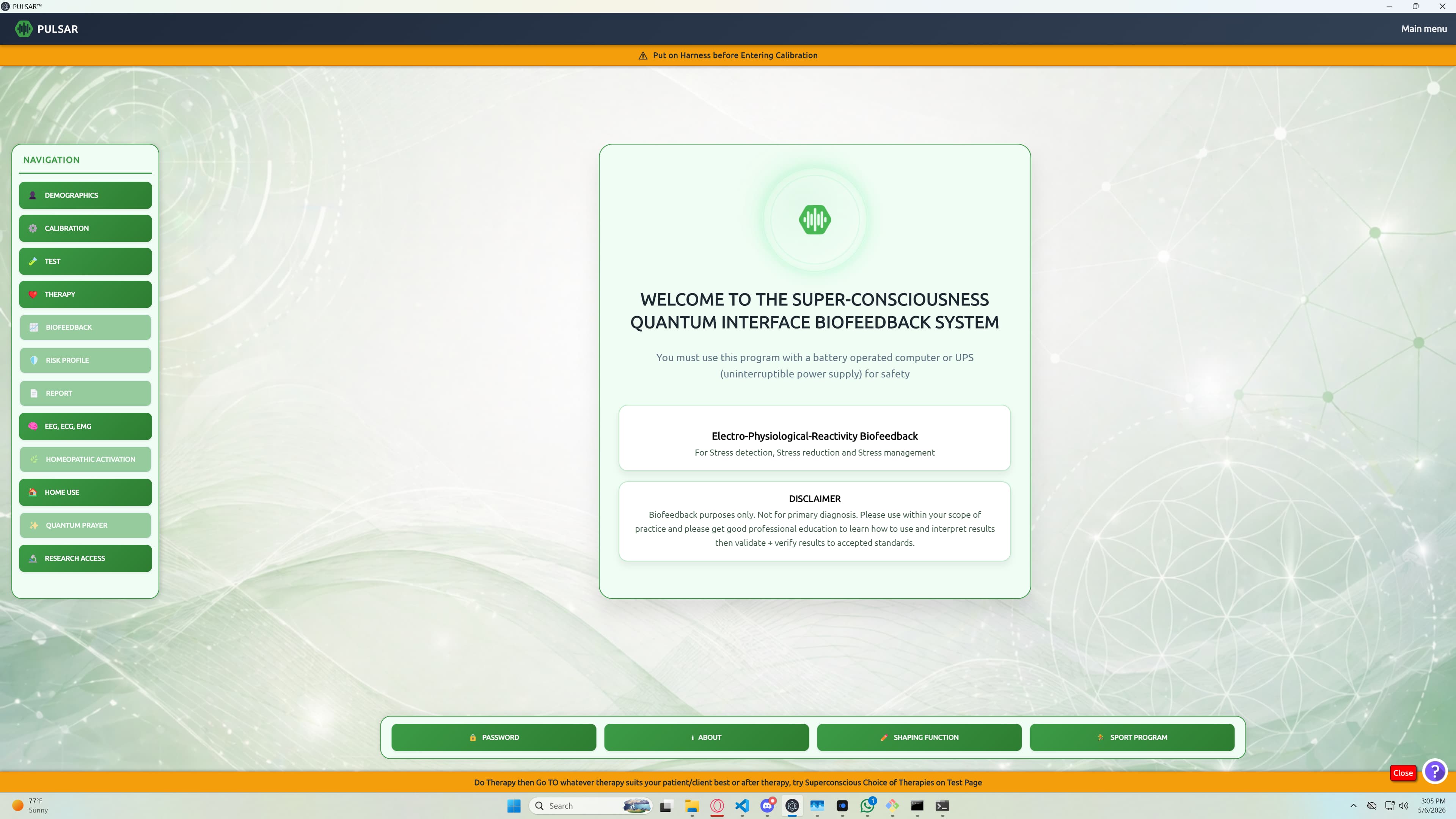
The NUCLEUS NeuroSync System is developed for today’s professional environment: modern connectivity, structured workflows, improved usability, professional onboarding, and a focused software ecosystem.
Compare TechnologiesWatch highlights from the Quantum Medical International Conference, where practitioners, educators, distributors and users come together through education, technology and professional collaboration.
QM supports practitioners with structured user education, online training, Romanian-language courses, introductory video lessons, webinar education, and a dedicated support platform linked directly to the professional software environment.
Explore TrainingQM works with selected distributors who can support practitioners, organize demonstrations, provide local communication, and develop long-term demand around modern professional biofeedback technology.
Become a DistributorClear answers about the NUCLEUS NeuroSync System, training, support, and professional use.
QM develops the NUCLEUS NeuroSync System, a professional-use non-invasive physiological biofeedback platform with structured software workflows, training resources, and support tools for modern practitioner environments.
Yes. NUCLEUS® with NeuroSync is the flagship professional system direction of QM Technologies, while QM also supports established legacy product lines such as EDX.
QM offers Specialist and Technician training with Malvina Anninou in English, Romanian-language courses with Liuba Radion, introductory video lessons, and a large webinar library.
Yes. NeuroSync links to an online support site, user manual, educational material, and workflow guidance resources for professional users.
QM works with selected international distribution partners interested in building serious long-term markets around modern professional biofeedback technology.
Contact QM to learn more about our professional biofeedback system, NeuroSync software workflows, training, international distribution opportunities, and professional onboarding.