
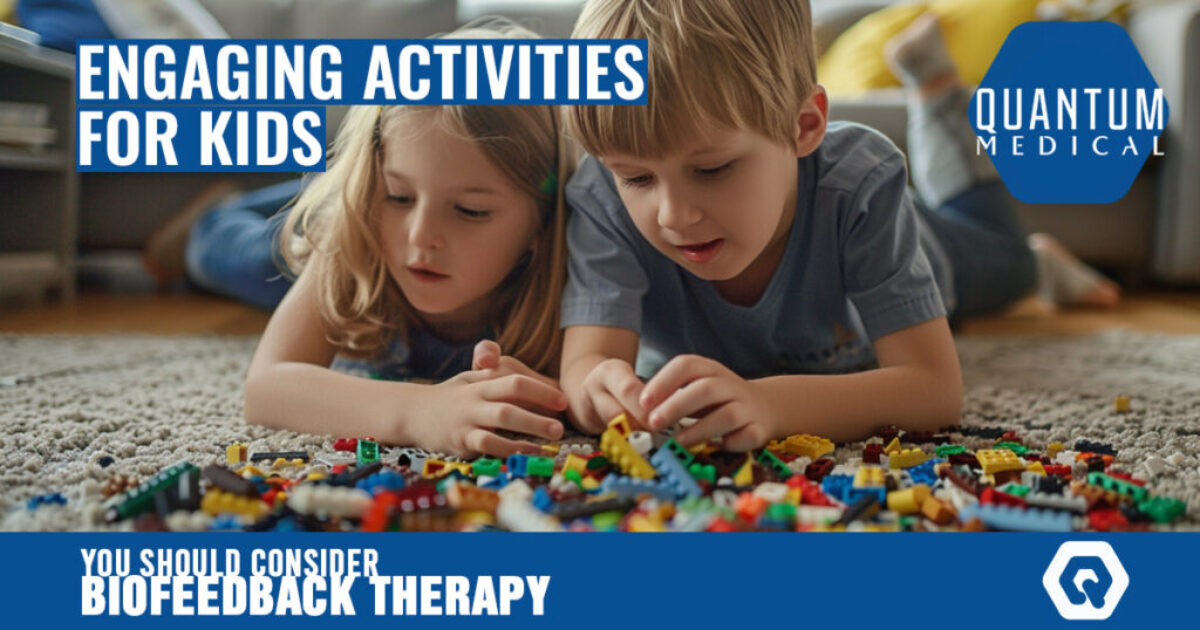

Engaging activities for kids
In today’s fast-paced digital world, children are often exposed to a barrage of stimuli that can affect their emotional well-being and ability to focus. Traditional activities like sports, reading, and arts and crafts continue to be important, but integrating biofeedback-based games and activities into family time can provide unique benefits. Biofeedback is a technique that trains individuals to improve their health by controlling bodily processes that are normally involuntary, such as heart rate and muscle tension. By using biofeedback, children can learn to manage their emotions and enhance their focus, leading to better overall mental health and academic performance. This article explores engaging biofeedback-based activities that families can enjoy together and highlights the benefits of these activities for children.
Biofeedback involves using electronic monitoring devices to provide real-time feedback about physiological processes. These devices measure parameters such as heart rate, muscle tension, skin temperature, and brainwave activity. By observing these measurements, individuals can learn to control these physiological processes through relaxation techniques, visualization, and other cognitive strategies. For children, biofeedback can be an empowering tool, helping them to understand and manage their emotional and physical states.
Benefits of Biofeedback for Children
1. Emotional Regulation: Biofeedback helps children recognize the physical signs of stress, anxiety, and other emotions. By learning techniques to control these physiological responses, children can better manage their emotions.
2. Improved Focus and Concentration: By training children to control their brainwave patterns, biofeedback can enhance their ability to focus and concentrate, which is beneficial for academic performance and daily activities.
3. Stress Reduction: Biofeedback provides children with tools to manage stress, reducing overall stress levels. This can improve their mental health and well-being.
4. Enhanced Self-Awareness: Biofeedback fosters a sense of self-awareness by helping children understand the connection between their mind and body. This can lead to improved self-esteem and confidence.
5. Better Sleep: Biofeedback techniques can help children relax and reduce anxiety, leading to improved sleep quality.
Engaging Biofeedback-Based Activities for Families
1. Heart Rate Variability (HRV) Games
Heart Rate Variability (HRV) is a measure of the variation in time between heartbeats, and it is an indicator of the body’s autonomic nervous system function. HRV games use biofeedback to help children learn how to control their heart rate through breathing exercises and relaxation techniques.
- Inner Balance by HeartMath: This app uses a sensor to measure HRV and provides real-time feedback. The game involves guiding a balloon up and down based on the child’s ability to control their breathing and heart rate. Families can take turns using the sensor and competing to see who can maintain the most consistent heart rate.
- Wild Divine: This program combines biofeedback with adventure games. Using sensors that measure HRV and skin conductance, children progress through various levels by practicing breathing and relaxation techniques. The game environment encourages mindfulness and calmness, making it a fun way for families to bond while learning stress management skills.
2. Neurofeedback Games
Neurofeedback, a type of biofeedback that measures brainwave activity, can help children enhance their focus and concentration. By providing feedback on brainwave patterns, neurofeedback games train the brain to achieve desired states.
- MindLight: This game uses a headset to measure brainwave activity. Children control the game by maintaining a calm and focused state, which helps them navigate through a virtual world. The game’s storyline and challenges are engaging, making it a fun family activity. Parents can play alongside their children, encouraging them and celebrating their progress.
- Muse: The Brain Sensing Headband: Muse provides real-time feedback on brainwave activity and helps users learn meditation and relaxation techniques. Families can use Muse together, setting aside time each day to practice mindfulness. The headband’s companion app offers various guided meditation sessions and progress tracking, turning mindfulness practice into a collaborative and rewarding experience.
3. Skin Conductance Biofeedback Activities
Skin conductance biofeedback measures the skin’s ability to conduct electricity, which varies with moisture levels and is influenced by stress and arousal. This type of biofeedback can help children understand and control their stress responses.
- Journey to the Wild Divine: This game uses sensors to measure skin conductance and HRV. Players progress through a mystical world by practicing deep breathing and relaxation techniques. The game’s beautiful graphics and immersive environment make it a captivating activity for families. Parents and children can explore the game together, discussing the importance of relaxation and stress management.
- Stress Eraser: This portable biofeedback device measures HRV and skin conductance. It provides real-time feedback and guides users through breathing exercises to reduce stress. Families can use the Stress Eraser during quiet time or before bedtime to help children wind down and relax.
Integrating Biofeedback Activities into Family Time
To make the most of biofeedback-based activities, families can integrate them into their daily routines in fun and engaging ways.
1. Scheduled Biofeedback Sessions
Set aside specific times each week for family biofeedback sessions. These can be short, 15-20-minute sessions where everyone participates in biofeedback games or relaxation exercises. Consistency is key to seeing long-term benefits, so make these sessions a regular part of your family’s routine.
2. Friendly Competitions
Introduce friendly competitions to make biofeedback activities more engaging. For example, challenge family members to see who can maintain the most consistent heart rate during an HRV game or who can achieve the highest score in a neurofeedback game. Keep a leaderboard and celebrate each other’s progress and achievements.
3. Storytelling and Discussions
Use biofeedback sessions as an opportunity for storytelling and discussions. After playing a game or using a biofeedback device, encourage children to share how they felt during the activity and what strategies helped them stay calm and focused. This can foster open communication and help children articulate their emotions.
4. Mindfulness and Meditation Practice
Incorporate mindfulness and meditation practices into family time. Use biofeedback devices like Muse to guide meditation sessions. Practice mindful breathing exercises together, focusing on deep, slow breaths. These practices can help children develop lifelong skills for managing stress and enhancing focus.
Biofeedback-based games and activities offer a unique and engaging way for families to spend time together while promoting emotional regulation, improved focus, and stress management for children. By integrating these activities into family routines, parents can help their children develop essential life skills in a fun and supportive environment. The benefits of biofeedback extend beyond immediate stress relief, contributing to better mental health, academic performance, and overall well-being. As families explore the world of biofeedback, they can enjoy quality time together while empowering their children with the tools they need to thrive.
Using NUCLEUS or ED.X biofeedback devices from Quantum Medical offers precise and comprehensive monitoring of physiological responses, enabling tailored interventions for emotional regulation and improved focus in children.
These devices provide real-time feedback and customizable training programs, making them ideal for family use to enhance overall mental well-being and cognitive performance.
By incorporating biofeedback into family activities, we create a supportive environment where children can learn to navigate their emotions and build resilience. As technology continues to advance, the possibilities for biofeedback-based games and activities will only grow, offering even more opportunities for families to connect, learn, and grow together.