 01
01
Hardware architecture
QM systems are designed around stable hardware operation, structured signal architecture, multi-channel workflows, and professional integration with NeuroSync workflow software.

QM systems combine modern hardware architecture, high-speed connectivity, NeuroSync workflow software, practitioner education, support resources, and long-term ecosystem development.
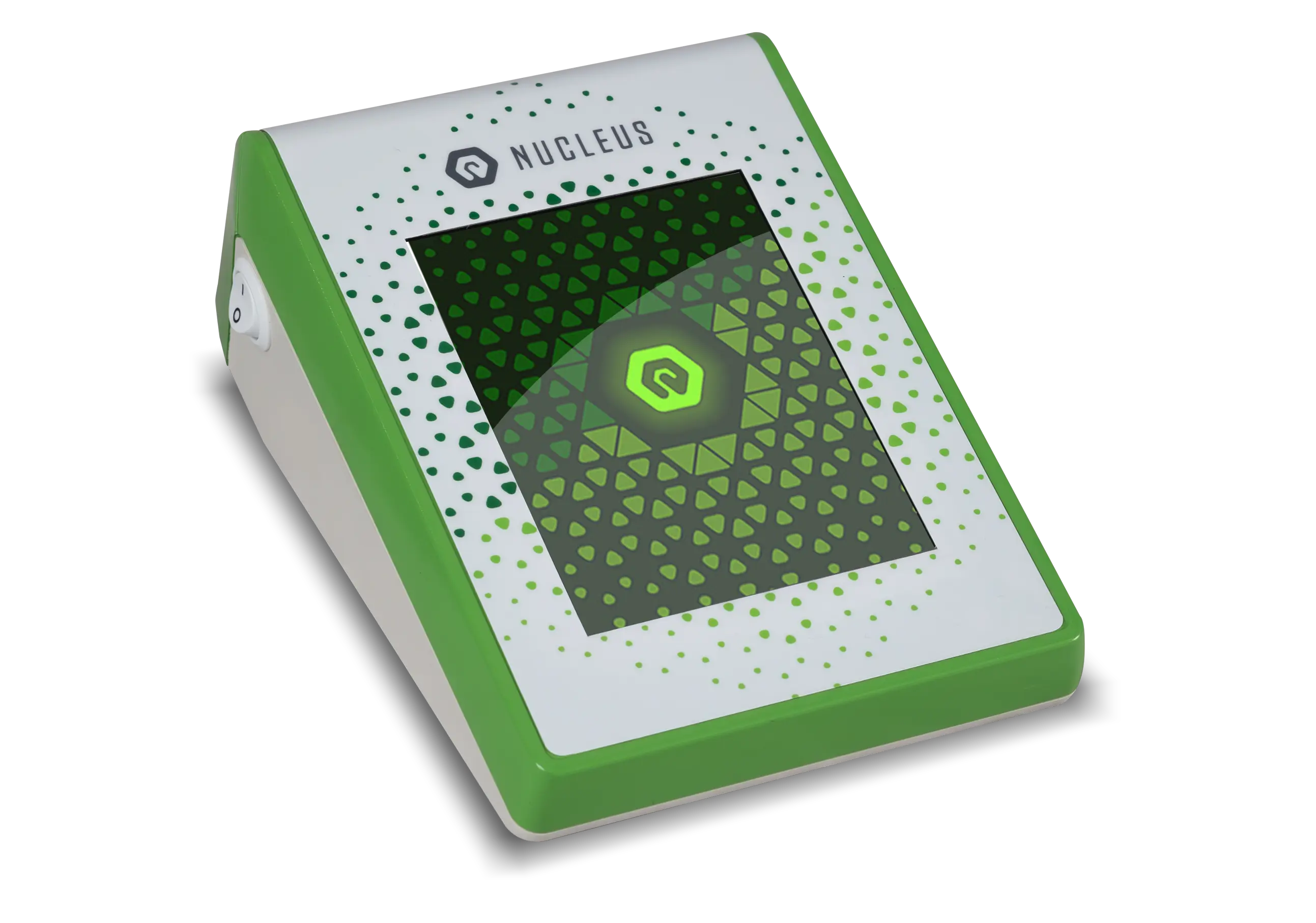
The QM approach focuses on the relationship between hardware, software, structured workflows, practitioner education, and long-term support resources. This creates a clearer and more scalable professional environment.
NUCLEUS®, NeuroSync, EDX®, and long-term workflow development initiatives are presented as parts of one evolving ecosystem: professional systems, workflow software, practitioner education, technical support, and future platform evolution.
01
QM systems are designed around stable hardware operation, structured signal architecture, multi-channel workflows, and professional integration with NeuroSync workflow software.
 02
02
USB 3 / USB 3.1 connectivity supports faster, more reliable, and more practical professional workflows compared with older-generation platforms.
 03
03
NeuroSync is developed as the structured practitioner interface behind QM systems, supporting session organization, workflow management, visual biofeedback, practitioner resources, and guided operation.
A modern system is not only defined by electronics. It is also defined by how hardware communicates, how software organizes workflows, how practitioners are trained, and how the platform evolves over time.
Many older biofeedback platforms were created for a different era of hardware, software, and user expectations. QM is positioned around modern usability, structured workflows, practitioner education, support resources, and future-ready development.
These pillars define how QM develops and presents its ecosystem: professional hardware, structured software workflows, practical practitioner education, and scalable support resources.
QM technology is positioned for professional wellness-oriented, educational, physiological biofeedback, and structured practitioner environments. The ecosystem is built around education, workflow organization, support resources, and responsible professional communication.

QM continues to expand its technology ecosystem toward more structured practitioner workflows, improved software organization, enhanced support environments, and future-ready professional platform development.
Certain advanced educational and historical workflow environments developed during earlier software generations remain referenced for educational continuity, long-term support, and historical compatibility purposes.
Contact QM for information about the NUCLEUS NeuroSync System, NeuroSync workflows, EDX®, practitioner education, support resources, and international distribution opportunities.